
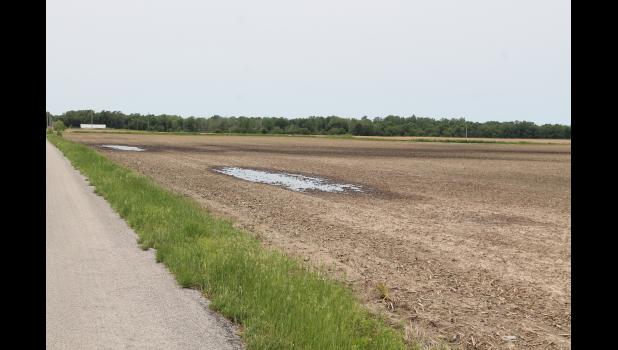
Delayed planting means tough decisions for Indiana’s farms, agribusinesses

Persistent rain across Indiana continues to delay spring planting for Indiana’s farmers. As the rain continues, the possibility of fields left unplanted becomes a reality and Indiana’s farmers and agribusiness professionals are faced with many tough decisions. Indiana Farm Bureau, the largest general farm organization in the state, spoke with farmers across the state about the complications surrounding this year’s unprecedented planting season.
According to the U.S. Department of Agriculture’s May 28 report, only 22% of Indiana’s corn crop and 11% of its soybean crop has been planted. Typically at this time, 85% of the corn crop and 63% of the soybean crop would be in the ground.
This delay in planting is the result of consistent rain across the state. In most areas, the soil has not had adequate time to dry, meaning farmers have not seen the conditions necessary to plant. While most of the Midwest is experiencing delayed planting, recent reports showed that Indiana is the furthest behind.
With June comes many deadlines and tough decisions. If planting continues into June, the crops will have a shorter growing season than ideal, and farmers will be forced to deal with many potential complications. This is particularly true for corn. For some, that simply means switching their seeds out for a shorter season hybrid. Bishop says he is already in the process of making that adjustment.
June also brings deadlines for filing for prevented planting crop insurance. Insured farmers have the opportunity to file an insurance claim if they’re unable to plant some or all of their land due to weather.
Alternately, in order to qualify for the current administration’s trade aid, farmers will only receive financial assistance on the land that they attempt to plant this spring. However, farmers have very few details about this aid package at this time, leaving them with much uncertainty as they weigh their options moving forward.
Seed dealers aren’t the only businesses in jeopardy. If farmers are not able to get the majority of their crop in the ground this year, other agribusinesses, from retail to processing, will feel the strain of an underproductive farm economy.
One glimmer of hope comes in the form of higher corn prices and many farmers are taking advantage of those prices by selling some of what they have remaining from last year’s crop. However, if the price of corn continues to increase, that could have negative effects on livestock operations that use the corn for feed.